

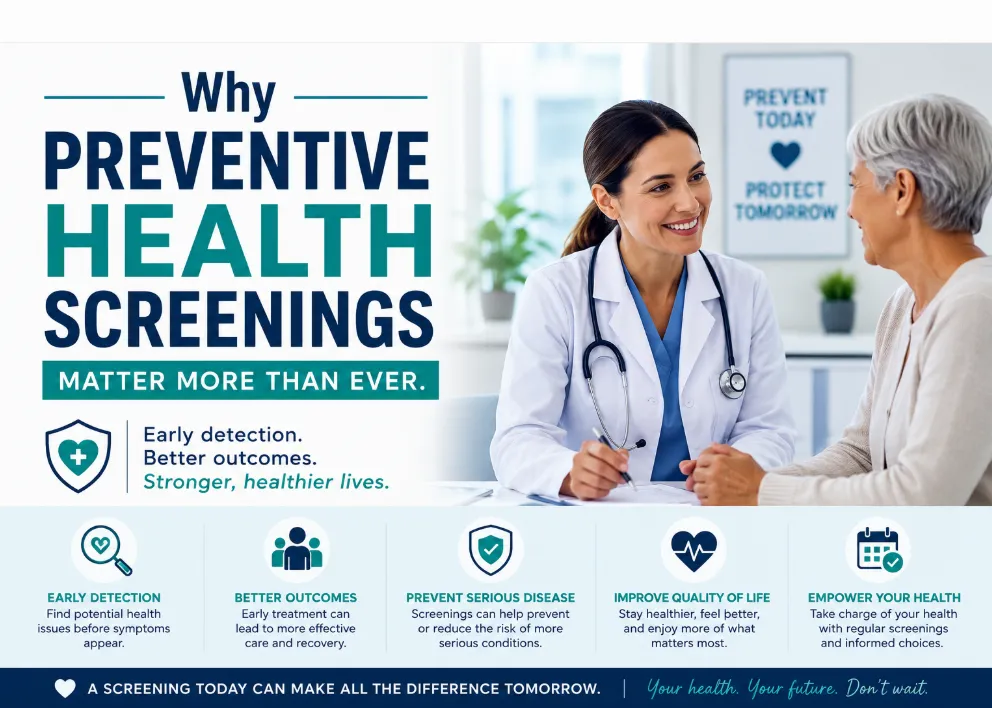
While treating illnesses is the main focus of health care, one of the best ways to keep one’s health good over a long period is to prevent illness. Early prevention health screenings can detect a potential health problem before it gets worse and allow a person to make lifestyle changes or start treatment when it is most effective.
Screenings are also good for older adults. Routine health checks are recommended for people of all ages in line with their age, family history, occupation and health status. A proactive approach to health can enhance lifestyle, minimise health care expenditure and prevent chronic disease.
What Are Preventive Health Screenings?
Preventative health screening are tests done to identify people who may have a medical condition before it gets to the point where they would have symptoms. Their goal is to identify disease or risk factors before they can cause serious harm and treatment is likely more effective.
These screening tests can include:
· Blood pressure measurement
· Blood sugar testing
· Cholesterol profile
· Body weight index (BWI)
· Assessment of vision and hearing
· Early detection of cancer by age and sex.
· Blood Glucose and Blood Urea Nitrogen levels
Specific tests recommended will vary based on an individual’s health history and risk factors.
Early detection can save lives.
Often serious health conditions can develop slowly with no apparent symptoms. High blood pressure, diabetes, and high cholesterol can cause damage silently in the body for years without being detected.
There are a number of benefits in early detection:
· Better treatment outcomes
· Greater success in pregnancy and childbirth
· Reduced medical expenses
· Enhanced quality of life
· Better understanding of responsibilities and/or health risks
If a condition is detected early, treatment is likely to be easier and there will be a greater likelihood of being able to return to normal living.
The good health choices that support good health.
Health screenings are best used with healthy daily practices. There are many chronic diseases that can be prevented by small, regular changes in lifestyle.
Eat a balanced diet.
A healthy diet is rich in vitamins, minerals, protein, healthy fats and fiber. Consume fruits, vegetables, whole grains, lean protein and healthy fats to benefit the heart, digestion, and immune system.
Avoiding too much added salt, too much sugar and food high in starch can also lower the risk of lifestyle-related diseases.
Stay Physically Active
Exercise promotes weight maintenance and helps build bone, muscle and heart strength. For adults, consistency in physical activity is important throughout the week and include aerobic exercise and strength training, if possible.
Walking, cycling or even taking the stairs are good for overall health.
Get Enough Sleep
Sleep is an most important part of physical fitness and mental health. While sleeping the body repairs tissues, balances hormones, and enhances immunity.
The recommended amount of sleep for most adults is 7-9 hours a night. Having a regular sleep pattern has a positive effect on one’s energy and focus.
Manage Stress Effectively
Mental stress can have a negative impact on both physical and mental well-being. It can make people feel anxious, depressed, and make them more susceptible to high blood pressure.
Healthy ways to manage stress include:
· Deep breathing exercises
· Meditation
· Regular physical activity
· Spending time outdoors
· Maintaining social connections
It is also crucial for individuals to get professional help when stress is overwhelming in order to improve health.
Health Screenings for various life stages.
The need for preventive care varies with age.
Young Adults
Regular check ups, blood pressure monitoring, vaccinations and mental health evaluations are all crucial to laying a foundation for future health.
Middle Age
Screening for diabetes, cholesterol, heart disease and some cancers is important as people get older.
The health effects of lifestyle behaviours that are adopted at this time have a substantial influence on health in the future.
Older Adults
Elderly people may need more extensive health checks, such as bone health screenings, vision screenings, hearing screenings, and frequent checks on chronic illnesses.
Preventive care is about keeping people independent and supporting healthy ageing.
Workplace health promotion moves beyond the conventional scope of occupational health.
Occupational health is not only about prevention.
In certain occupations, workers undergo medical tests in order to be sure that they are physically capable of performing certain duties. These evaluations are an important safety measure for both employees and employers, ensuring that people are fit to do their job.
Laboratory tests, vision, chest exams and/or physical examinations may be conducted during occupational health assessments depending on the type of work.
Certain medical examinations may also be necessary for those who wish to work in a different country.
Supporting Safe International Employment
Health needs of a country to which an individual is migrating for employment should be known well before the travel. The applicants have to pass out the GAMCA Medical Examination at a recognised medical board prior to visa processing in several GCC countries. Ahead of time, applicant will have time to prepare medical documentation and to prevent unnecessary delay in travel.
Building a Lifetime of Healthy Habits
Preventive healthcare is not a wait-and-see proposition; it’s a decision-making process to ensure health on a daily basis. The three elements of regular screening, eating well, physical activity, adequate sleep and stress management all contribute to decreasing health risks and health benefits.
Little things done now have big consequences in the long run. When preventive care becomes a habit, people can take better care of themselves, catch any issues early on, and live a healthier life.